Portugal vs Spain for American Expats: An Honest Comparison
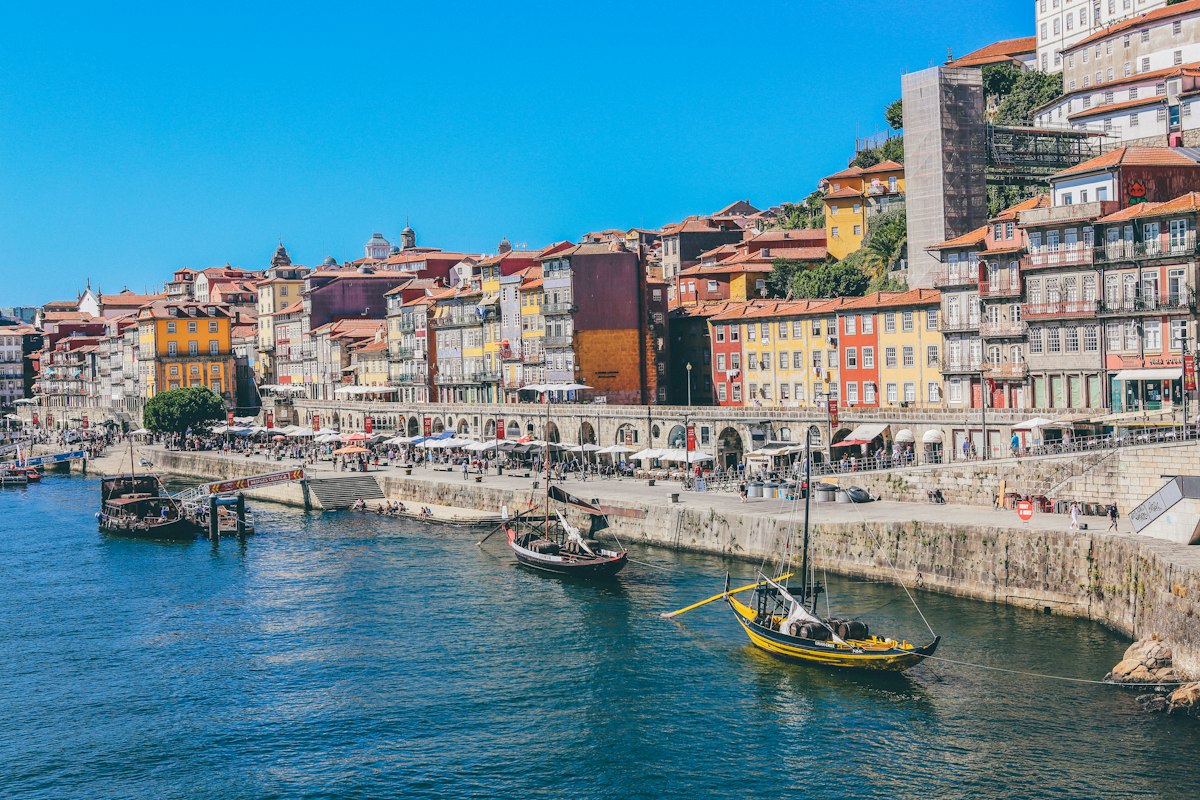
Portugal and Spain are the two countries that dominate every "best places for American expats" list, and for good reason. Both offer excellent weather, affordable cost of living relative to the US, strong healthcare systems, and well-established expat communities. They share a peninsula, a similar latitude, and a cultural warmth that makes Americans feel welcome in ways that, say, Switzerland does not. But they're not the same country, and the differences matter more than most guides acknowledge. Portugal's NHR tax regime -- the single policy that drove a decade of expat migration -- ended in 2023 and its replacement is less generous. Spain launched a digital nomad visa with a 15% flat tax rate. The property markets have diverged sharply. The languages, despite both being Romance, are vastly different in difficulty for English speakers. This is the comparison we wish someone had written for us: specific, honest, and based on what life actually looks like on the ground rather than what looks good on a travel blog.
Cost of Living: The Real Numbers
Let's start with what people actually spend, not index numbers or averages that include student housing and luxury penthouses.
Lisbon vs. Madrid (comparable capitals):
- 1-bedroom apartment, city center: Lisbon EUR 1,100-$1,600/month / Madrid EUR 1,000-$1,500/month
- 1-bedroom apartment, outside center: Lisbon EUR 700-$1,000 / Madrid EUR 650-$900
- Utilities (electricity, heating, water, garbage): Lisbon EUR 120-$170 / Madrid EUR 130-$180
- Groceries (single person, monthly): Lisbon EUR 250-$350 / Madrid EUR 250-$350
- Restaurant meal (mid-range, two people): Lisbon EUR 40-$60 / Madrid EUR 40-$65
- Monthly transit pass: Lisbon EUR 40 (Navegante card covers entire metro area) / Madrid EUR 55
- Coffee (espresso at a cafe): Lisbon EUR 0.80-$1.20 / Madrid EUR 1.20-$1.80
Porto vs. Valencia (comparable second cities):
- 1-bedroom apartment, city center: Porto EUR 800-$1,200 / Valencia EUR 750-$1,100
- Groceries: Porto EUR 220-$300 / Valencia EUR 230-$320
- Restaurant meal: Porto EUR 30-$50 / Valencia EUR 35-$55
The verdict: In 2026, Portugal and Spain are nearly identical on cost of living in comparable cities. Portugal was significantly cheaper five years ago, but Lisbon's rent has increased 45% since 2021, narrowing the gap dramatically. If anything, Spain now offers better value in its second-tier cities: Valencia, Seville, Malaga, and Alicante are all cheaper than Porto while offering comparable or better infrastructure.
The hidden cost difference: Spain's public services are generally better-funded. Madrid's metro is one of Europe's largest and cheapest. Spain's highway network is superior. Public healthcare capacity is higher. These quality-of-life infrastructure advantages don't show up in cost-of-living indices but they reduce your actual daily spending.
Monthly budget for a comfortable single expat life:
- Lisbon: EUR 1,800-$2,500 ($1,980-$2,750)
- Madrid: EUR 1,700-$2,400 ($1,870-$2,640)
- Porto: EUR 1,400-$2,000 ($1,540-$2,200)
- Valencia: EUR 1,300-$1,900 ($1,430-$2,090)
Visa Programs: The New Landscape
The visa landscape for both countries has shifted dramatically since 2023, and most online guides haven't caught up.
Portugal:
- D7 Passive Income Visa: Still the workhorse. Requires proof of regular passive income (pension, investments, rental) of approximately EUR 820/month minimum. Allows you to live and work in Portugal. Path to permanent residency in 5 years, citizenship in 5 years with basic Portuguese.
- D8 Digital Nomad Visa: For remote workers. Requires EUR 3,510/month income from foreign employers. 1 year, renewable. Same residency/citizenship path as D7.
- Golden Visa: Real estate route eliminated in October 2023. Still available through investment funds (EUR 500,000 minimum). Residency requires only 7 days per year in Portugal, making it the most flexible but most expensive option.
- NHR 2.0 (IFICI): The replacement for Portugal's famous Non-Habitual Resident tax regime. More restrictive: available only to workers in "high value-added" professions (tech, science, academia, senior management) and qualified investment fund managers. Offers a 20% flat tax rate for 10 years. Not available for retirees or passive income -- the biggest change from the original NHR.
Spain:
- Digital Nomad Visa (Nómada Digital): Launched 2023, refined 2024. Requires EUR 2,520/month from remote work for non-Spanish companies. 1 year, renewable up to 5 years. Tax benefit: eligible for the Beckham Law regime (15% flat rate on Spanish-source income for 4 years, recently extended from the original scope).
- Non-Lucrative Visa: For people living on savings/passive income without working in Spain. Requires approximately EUR 2,400/month passive income or EUR 28,800 in savings. No work permitted.
- Golden Visa: Spain eliminated its golden visa for real estate in April 2025, following Portugal's lead. Investment fund options remain.
- Autonomo (Self-Employed) Visa: For freelancers and business owners. Requires a viable business plan and proof of financial means.
The verdict: Spain's digital nomad visa is currently more attractive than Portugal's for remote workers, primarily because of the tax treatment. Spain's Beckham Law 15% flat rate is clearer and more accessible than Portugal's NHR 2.0, which has narrower eligibility. For retirees on passive income, Portugal's D7 remains excellent, but the tax advantage that once made it legendary (0% on foreign pension income under old NHR) is gone.
Citizenship timeline: Portugal offers citizenship after 5 years of residency with basic Portuguese (A2 level). Spain requires 10 years of residency -- except for citizens of former Spanish colonies and Sephardic Jews, who get accelerated paths. For Americans, Spain's 10-year timeline is a significant disadvantage if EU citizenship is your goal.
Healthcare: Both Excellent, Different Flavors
Both countries have universal public healthcare systems that rank among the world's best. But they work differently.
Spain's Seguridad Social:
- Coverage: Comprehensive -- GP, specialists, hospital, emergency, prescriptions, mental health, dental for children
- Access: Legal residents enroll through the social security system. Employed workers are automatically enrolled. Retirees on non-lucrative visas can join via convenio especial (EUR 60/month under 65, EUR 157/month over 65)
- Wait times: GP appointments within 1-3 days. Specialists: 2-8 weeks depending on specialty and region. Elective surgery: 2-6 months
- Private supplement: EUR 50-100/month for plans from Sanitas, Adeslas, or Mapfre. Eliminates wait times and gives you choice of doctor
- WHO ranking: 7th globally
Portugal's SNS:
- Coverage: Comprehensive with small copays -- EUR 4.50 GP, EUR 7 specialist, EUR 18 ER
- Access: Automatic for legal residents. Register at your local health center (Centro de Saude)
- Wait times: GP appointments within 3-10 days. Specialists: 4-12 weeks. Surgery wait times are longer than Spain's, sometimes significantly
- Private supplement: EUR 30-80/month from Multicare, Medis, or AdvanceCare
- WHO ranking: 12th globally
Prescriptions: Both countries subsidize prescriptions heavily. Generic drugs in both countries cost 70-90% less than US equivalents. Spain has a copay system based on income: pensioners earning under EUR 18,000/year pay 0% for prescriptions; working-age adults pay 40-60% of the (already low) price. Portugal subsidizes drugs by tier: essential medications (Group A) are 90% subsidized.
Dental care: Neither country includes adult dental in public healthcare (only children in Spain). Private dental costs are similar: EUR 50-80 for a cleaning, EUR 400-700 for a crown, EUR 1,000-1,800 for an implant. Both are dramatically cheaper than the US.
The verdict: Spain's healthcare system is more generously funded, has shorter wait times, and is rated higher by most international comparisons. Portugal's system is good but stretched -- AIMA bureaucratic delays mean some new residents wait months for their health number (numero de utente), delaying access to the public system. For Americans with pre-existing conditions, both systems are vastly preferable to the US: coverage regardless of health status, no pre-existing condition exclusions, and costs that make Americans weep with relief.

Property Markets: Where Your Dollar Goes Further
The Iberian property market has been two-speed since 2021: Lisbon and Porto have surged, pricing out many locals and making international headlines. Spain's major cities have grown more moderately, with second-tier cities offering genuine bargains.
Lisbon property prices (2026):
- City center apartment (75 sqm): EUR 350,000-$550,000
- Outer neighborhoods (Benfica, Lumiar): EUR 250,000-$380,000
- Per square meter average: EUR 4,800 city-wide, EUR 6,500+ in Chiado/Baixa
- Trend: Up 65% since 2019. Slowing but not declining.
Madrid property prices (2026):
- City center apartment (75 sqm): EUR 300,000-$500,000
- Outer neighborhoods (Vallecas, Carabanchel): EUR 180,000-$280,000
- Per square meter average: EUR 4,200 city-wide, EUR 5,800+ in Salamanca/Chamberí
- Trend: Up 40% since 2019. More stable growth.
The second-city story:
- Porto (75 sqm apartment): EUR 220,000-$380,000
- Valencia (75 sqm apartment): EUR 180,000-$300,000
- Seville (75 sqm apartment): EUR 160,000-$280,000
- Malaga (75 sqm apartment): EUR 200,000-$350,000
- Algarve, Portugal (75 sqm apartment): EUR 250,000-$450,000 (heavily inflated by tourism demand)
Rental yields: Spain generally offers better rental yields. Madrid averages 4.5-5.5% gross; Lisbon averages 3.5-4.5%. Valencia and Seville push 5-6%. This matters if you're buying as an investment or plan to rent part of the property.
The buying process: Both countries allow non-residents to buy property freely. The process is similar: hire a lawyer (EUR 1,000-$2,000), get an NIF (Portugal) or NIE (Spain) tax number, sign a promissory contract with a 10% deposit, then complete at a notary.
Transaction costs:
- Portugal: IMT (transfer tax) of 0-8% depending on property value and use, plus 0.8% stamp duty, plus notary/registration fees. Total: typically 7-10% of purchase price.
- Spain: ITP (transfer tax) of 6-10% depending on autonomous community, plus notary/registration. Total: typically 10-13% of purchase price.
The verdict: Spain offers better value per square meter in most comparable cities, better rental yields, and more diverse options across price points. Portugal's property market has become a victim of its own success -- foreign demand has pushed prices to levels that don't always make financial sense given local salaries and rents. If property investment is a major factor in your decision, Spain wins on pure numbers.
Language: One Is Much Harder Than the Other
Both Portuguese and Spanish are Romance languages, and both are learnable for English speakers. But they are not equally difficult, and this difference has a real impact on your daily life and social integration.
Spanish for English speakers:
- FSI difficulty rating: Category I (easiest group, alongside French and Italian)
- Estimated time to professional working proficiency: 600-750 hours
- Pronunciation: Almost perfectly phonetic. What you see is what you say. The "rr" trill is the main challenge.
- Written comprehension: Highly accessible. English speakers can read Spanish signage, menus, and basic documents with minimal study.
- English proficiency in Spain: Moderate. About 27% of Spaniards speak English. Higher in Barcelona and Madrid, much lower in smaller cities.
Portuguese for English speakers:
- FSI difficulty rating: Category I (same as Spanish on paper, but..)
- Estimated time to professional working proficiency: 600-750 hours (official estimate, but most learners find it takes longer than Spanish)
- Pronunciation: This is where Portuguese becomes significantly harder. European Portuguese swallows vowels, reduces unstressed syllables, and uses nasal sounds that don't exist in English or Spanish. The written language looks similar to Spanish; the spoken language sounds closer to Russian to untrained ears.
- Written comprehension: Similar to Spanish -- menus and signs are decipherable.
- English proficiency in Portugal: High. About 60% of Portuguese people speak English, especially in Lisbon and Porto. This is a double-edged sword: it makes daily life easy but reduces your incentive (and opportunity) to practice Portuguese.
The practical impact: Most Americans in Portugal function entirely in English for their first year and struggle to move beyond basic Portuguese because locals immediately switch to English. This keeps you in an expat bubble.
In Spain, outside of tourist zones, you'll need at least basic Spanish for daily life -- and that necessity accelerates your learning. By year two, most motivated American expats in Spain reach conversational proficiency. In Portugal, many are still greeting their neighbors in English after three years.
The verdict: If language learning is important to you -- either as a personal goal or as a tool for deeper integration -- Spain is the better environment. Spanish is marginally easier to learn, and the necessity of using it daily creates a natural immersion that Portugal's widespread English proficiency undermines.
Weather and Geography: Surprisingly Different
People lump the Iberian Peninsula together climatically, but there's meaningful variation, especially once you move beyond the capitals.
Lisbon:
- Average January temperature: 12°C (54°F)
- Average July temperature: 28°C (82°F)
- Annual sunshine: 2,800 hours
- Rainfall: 725 mm/year, concentrated November-March
- Character: Mild, Atlantic-influenced. Summers are warm but moderated by ocean breezes. Winters are cool and damp but rarely cold.
Madrid:
- Average January temperature: 6°C (43°F)
- Average July temperature: 33°C (91°F)
- Annual sunshine: 2,769 hours
- Rainfall: 436 mm/year
- Character: Continental extremes. Madrid sits at 650 meters elevation on a high plateau. Summers are genuinely hot (40°C/104°F days are common in July-August). Winters are cold and dry -- not Scandinavian cold, but you'll want a proper coat.
The Algarve (southern Portugal):
- Average January: 13°C (55°F) / July: 29°C (84°F)
- Annual sunshine: 3,000+ hours (one of Europe's sunniest regions)
- Character: Mediterranean/Atlantic hybrid. Mild year-round. The best weather on the peninsula for people who dislike extremes.
Barcelona:
- Average January: 10°C (50°F) / July: 29°C (84°F)
- Annual sunshine: 2,524 hours
- Character: Mediterranean. Milder winters than Madrid, less extreme summers. Beachfront but also humid.
Valencia/Malaga/Alicante (Spanish Mediterranean coast):
- Average January: 12°C (54°F) / July: 30°C (86°F)
- Annual sunshine: 2,800-3,000 hours
- Character: The sweet spot. Warm winters, hot but bearable summers, abundant sun. Valencia gets roughly the same weather as the Algarve but with better urban infrastructure.
The verdict: If you want the mildest, most consistently pleasant weather, the Algarve and Spain's southern Mediterranean coast are virtually identical. If you're choosing between capitals, Lisbon's weather is more temperate year-round; Madrid has more dramatic seasons. The common misconception that "the Iberian Peninsula is all sunny and warm" breaks down in northern Spain (Galicia, Basque Country, Asturias), which is cloudy and rainy much of the year -- beautiful green landscape, but not the Mediterranean postcard.

Food Culture: Different Traditions, Equal Pleasures
Both countries have extraordinary food cultures, and both will ruin American grocery stores for you forever. But they're different in ways that affect daily life.
Portugal:
- The staples: Bacalhau (salt cod, prepared 365 ways -- one for each day, as the Portuguese say), grilled sardines, pasteis de nata (custard tarts), caldo verde (kale soup), bifana (pork sandwich). Seafood dominates.
- Dining rhythm: Lunch is the big meal (1:00-3:00 PM). Dinner is lighter and later (8:00-9:30 PM).
- Restaurant culture: More casual. Neighborhood tascas (small restaurants) serve set-menu lunches for EUR 7-$12 including drink. Lisbon's food scene has exploded with upscale dining, but the traditional spots remain the heart of Portuguese eating.
- Wine: Portugal punches absurdly above its weight. Vinho verde, Douro reds, Alentejo wines -- all world-class and shockingly cheap. A good bottle of wine costs EUR 4-$8 at the supermarket. Port wine, obviously, is the national treasure.
- Coffee: Strong espresso culture. A "bica" (espresso) costs EUR 0.70-$1.00. Portuguese coffee is traditionally darker roast than Italian.
Spain:
- The staples: Jamón ibérico (the world's best cured ham, and this is not debatable), paella (only in Valencia, please), tortilla española (potato omelet), tapas culture, gazpacho, pulpo a la gallega (Galician octopus). More meat-forward than Portugal.
- Dining rhythm: The latest in Europe. Lunch at 2:00-4:00 PM. Dinner at 9:30-11:00 PM. This takes serious adjustment for Americans accustomed to eating at 6:30.
- Restaurant culture: Tapas culture means eating is inherently social. You bar-hop, ordering small plates at each stop. A tapas crawl with friends is the default evening out, not a special occasion. In many cities (Granada, León, parts of Madrid), a drink comes with a free tapa.
- Wine: Spain is the world's largest wine producer by acreage. Rioja, Ribera del Duero, Priorat -- all excellent. Supermarket wine starts at EUR 3 and is often remarkable. Cava (Spanish sparkling wine) costs EUR 4-$8 and replaces Champagne for celebrations.
- Coffee: Less intense coffee culture than Portugal or Italy. Spain drinks more café con leche (roughly a latte) than espresso. Quality is good but not the religious experience it is in Portugal.
Grocery costs: Nearly identical. Both countries have excellent supermarket chains (Mercadona and Lidl in Spain; Continente and Pingo Doce in Portugal) with high-quality fresh produce, meat, fish, and dairy at prices that will make Americans emotional. A week's groceries for one person: EUR 50-$80 in either country.
The verdict: This is entirely personal preference. Portugal's food is more seafood-centric and rustic; Spain's is more varied and social. Both are leagues ahead of the American food landscape for quality, freshness, and affordability. The one objective advantage Spain holds is the tapas culture, which provides a built-in social structure that helps new arrivals meet people and feel part of the community.
Social Integration: The Hardest Part
This is where the rubber meets the road for long-term expats, and where Portugal and Spain diverge in ways that don't show up in any index.
The Portuguese approach: Portuguese people are genuinely warm and welcoming, but social integration is slow. Portuguese society is tightly knit -- friend groups formed in childhood persist through adulthood, and breaking into those circles as a foreigner takes years, not months. The widespread English proficiency that makes daily life easy also creates a soft barrier: you can live in Lisbon for years without ever needing to speak Portuguese, which means you also never develop the deep language skills that facilitate genuine friendship.
The expat community in Lisbon is large and well-organized -- too well-organized, some would say. It's easy to fall into an expat bubble where your entire social life revolves around other foreigners. This is comfortable but defeats half the purpose of living abroad.
The Spanish approach: Spanish social culture is more open and spontaneous. The tapas-bar culture, the later hours, the street life -- all of it creates more natural opportunities for social contact. Spaniards are more likely to invite you to things, include you in group plans, and bring you into their social circles. The language barrier is higher (less English spoken), but this forces integration in a way that Portugal's bilingualism doesn't.
Spain also has a stronger culture of public social life. People eat, drink, and socialize in public spaces -- plazas, terraces, parks -- far more than in Portugal. This visibility makes it easier to meet people organically.
Expat communities: Both countries have large American expat populations. Portugal's is concentrated in Lisbon, Porto, and the Algarve. Spain's is more distributed: Madrid, Barcelona, Valencia, Malaga, Alicante, the Canary Islands. Spain's larger size and more diverse cities mean the expat community is less concentrated, which can be a plus (less bubble) or minus (fewer organized resources).
Bureaucracy: Both countries have maddening bureaucracy. Portugal's is currently worse due to the AIMA transition (the immigration service restructuring). Wait times for residency permits, tax numbers, and health registration have ballooned. Spain's bureaucracy is also slow but more predictable -- the systems are older and more established, so the process is at least well-documented.
The verdict: Spain is easier to integrate into socially, primarily because the language necessity and the tapas-bar social structure push you into contact with locals more naturally. Portugal is easier to exist in -- English gets you through everything -- but that ease can become a trap that keeps you on the surface. If your goal is to truly become part of a community, Spain's higher initial barrier leads to deeper eventual integration.
The Final Verdict: It Depends on Who You Are
After everything we've compared, here's the honest answer: both countries are exceptional choices, and the right one depends on your specific priorities.
Choose Portugal if:
- EU citizenship in 5 years is a priority (Spain requires 10)
- You want maximum English accessibility from day one
- You prefer a quieter, more understated lifestyle
- You're drawn to the Atlantic coast aesthetic (think Lisbon's hills, Algarve's cliffs, Porto's riverside)
- You're a retiree on passive income (the D7 visa is still excellent)
- You want a smaller, more intimate expat community
Choose Spain if:
- You're a remote worker (Spain's nomad visa + Beckham Law is currently the better deal)
- Social integration matters to you
- You want more diversity of cities and landscapes to explore
- You prefer a more vibrant, extroverted social culture
- Property value and rental yields matter (Spain offers better numbers)
- You're willing to learn the local language and want an environment that rewards it
- You prefer hotter, drier summers (Madrid, interior Spain) or want beach access (Mediterranean coast)
Choose either if:
- You want excellent, affordable healthcare
- You want to eat extraordinarily well for very little money
- You want a safe, walkable, well-connected country in the EU
- You're escaping American healthcare costs, housing costs, or political stress
- You want a base from which to explore all of Europe via budget airlines
The honest truth is that most Americans who move to either country don't leave. The quality of life is that good. The cost of living is that reasonable. The food, the weather, the healthcare, the pace of life -- it all adds up to something that's hard to walk away from once you've experienced it.
The biggest mistake you can make isn't choosing the wrong country. It's spending so long comparing that you never actually go.
Ready to explore?
Browse Destinations