The Complete Guide to Moving to Mexico as an American
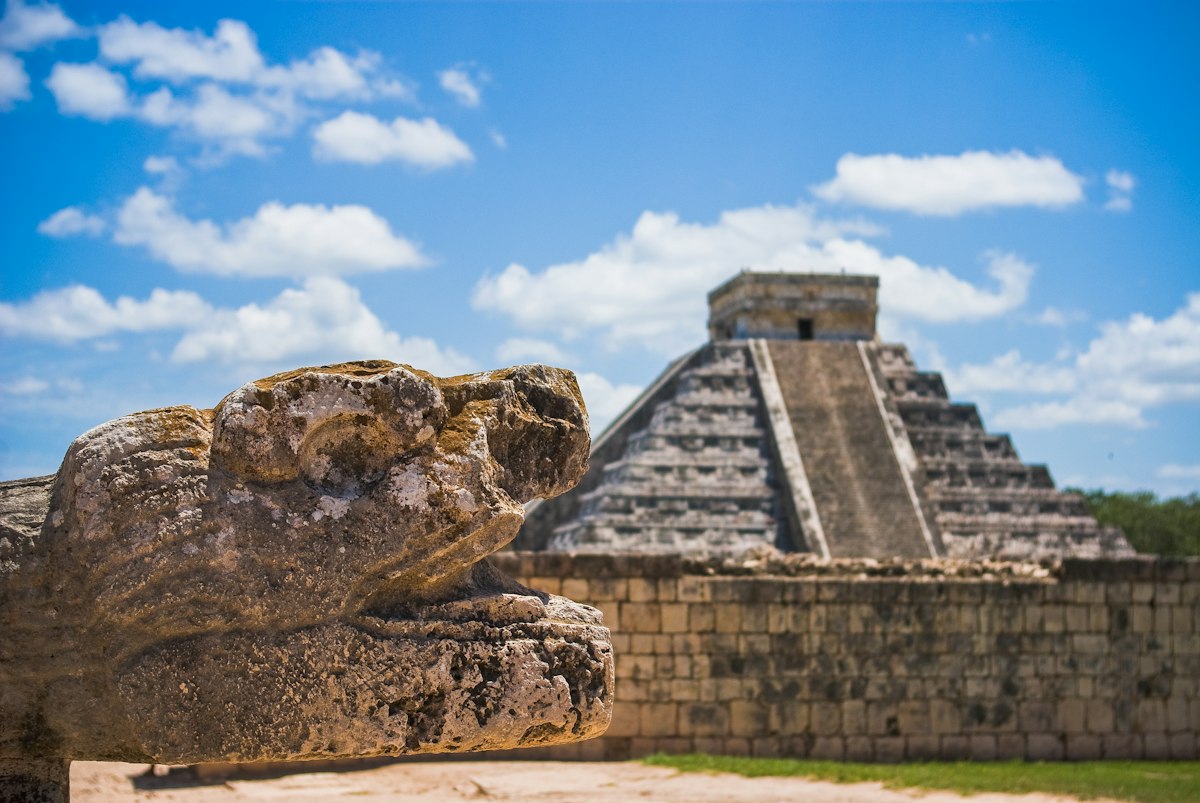
More Americans live in Mexico than in any other foreign country. The State Department estimates 1.6 million, though the real number is likely higher — plenty of people on tourist visas have quietly turned six-month stays into permanent lives. They're not all retirees in San Miguel de Allende. They're remote workers in Mexico City's Roma Norte, surfers in Sayulita, families in Mérida, entrepreneurs in Playa del Carmen, and, yes, retirees scattered from Lake Chapala to Los Cabos. Mexico is close, cheap, warm, and culturally rich in ways that take years to fully appreciate. It's also bureaucratic, occasionally bewildering, and nothing like the version of itself that American media presents. Here's what it's actually like to make the move.
Visas: Your Three Legal Options
Americans can enter Mexico visa-free for up to 180 days on a tourist permit (Forma Migratoria Multiple, or FMM). This is what you get when you fly in and fill out the immigration form. Many Americans live in Mexico indefinitely on rolling tourist permits — flying out and back in every six months. This is technically legal but increasingly risky. Mexican immigration has started cracking down, sometimes granting only 30 or 90 days instead of the full 180, especially at land border crossings. If you're serious about living in Mexico, get a proper visa.
Residente Temporal (Temporary Resident) This is the standard visa for Americans planning to live in Mexico for 1-4 years. It requires proof of income or assets:
- Monthly income of approximately $2,500 USD (the threshold is set in UMAs — Mexican economic units — and changes annually)
- OR bank statements showing a balance of approximately $42,000 USD for the past 12 months
- OR real estate investment in Mexico worth approximately $350,000 USD
The temporal visa is valid for one year initially, renewable up to four years total. After four years, you can apply for permanent residency. You CAN work in Mexico on this visa if you obtain a separate work permit, or if your visa is specifically endorsed for work (Residente Temporal con permiso para realizar actividades remuneradas). The application starts at your nearest Mexican consulate in the US before you move.
Residente Permanente (Permanent Resident) Permanent residency grants you indefinite legal residence in Mexico with the right to work. You can qualify through:
- Four years of temporary residency
- Family ties (marriage to a Mexican citizen or having Mexican-born children)
- Retirement income: approximately $4,200 USD/month
- OR investment/assets: approximately $168,000 USD in savings over 12 months
- Humanitarian reasons or political asylum
The permanente card has no expiration and doesn't require renewal, though you'll need to replace the physical card every 10 years. Permanent residents can work freely without a separate work permit.
Important: Both visa types require a canje — an in-Mexico exchange process where you trade your consulate-issued visa for your actual residency card. You have 30 days after entering Mexico to start this process at your local INM (Instituto Nacional de Migración) office. The canje involves biometrics, paperwork, and patience. Budget 4-8 weeks for the full process, and expect at least 2-3 trips to the INM office. Bring a Spanish-speaking friend or hire a fixer.
The RFC: Mexico's Tax ID (and Why You Need One)
The RFC (Registro Federal de Contribuyentes) is Mexico's equivalent of a Social Security number for tax purposes. If you're going to work, start a business, sign a lease, open a bank account, or do virtually anything financial in Mexico, you'll need one.
Getting an RFC requires:
- Your Mexican residency card (temporal or permanente)
- Your CURP (Clave Única de Registro de Población — a population registry number that you receive during the residency card process)
- Proof of address in Mexico (utility bill, bank statement, or lease contract)
- An appointment at your local SAT (Servicio de Administración Tributaria) office
The SAT appointment is an experience in Mexican bureaucracy at its most Kafkaesque. Book online (the portal frequently crashes), arrive early, bring every document you can think of, and prepare to wait. The process itself takes 15-30 minutes once you're seen. You'll receive your RFC number and a digital certificate (e.firma) used for online tax filing.
Tax implications for Americans. Having a Mexican RFC means you're in Mexico's tax system. If you're a tax resident of Mexico (generally defined as having your primary home or center of economic interests in Mexico), you'll owe Mexican income tax on worldwide income. Mexico's personal income tax rates are progressive, topping out at 35% for income above MXN 3,000,000 (~$170,000 USD).
The US-Mexico tax treaty prevents double taxation. You can claim a Foreign Tax Credit on your US return for Mexican taxes paid. In practice, if your income is under $126,500, the FEIE typically eliminates your US federal tax liability, and you pay Mexican taxes only. Above that threshold, you'll use a combination of the FEIE and FTC to minimize double taxation.
Warning: Mexico's tax system has become increasingly aggressive with foreign residents. The SAT has invested heavily in digital enforcement and cross-border information sharing. Don't assume that because you're a gringo, nobody's watching. File your Mexican taxes properly from day one. An accountant (contador) who handles expat tax situations typically charges MXN 3,000-8,000 ($170-450) per year for filing.
Banking: Leave Your US Bank at Home (Sort Of)
Opening a Mexican bank account is one of the first things you should do after getting your residency card — and one of the most frustrating processes you'll encounter.
The bad news: No major US bank operates retail branches in Mexico. You cannot walk into a Chase or Bank of America. Mexican banks have their own systems, their own apps, and their own customer service culture. Account opening typically requires:
- Your residency card (temporal or permanente)
- Your RFC
- Proof of address (a recent utility bill or bank statement — this creates a chicken-and-egg problem since you need a bank statement to open a bank, which most people solve with a utility bill from their rental)
- Minimum opening deposit (varies by bank, typically MXN 2,500-10,000)
The major Mexican banks:
- BBVA México (formerly Bancomer): The largest bank in Mexico. Good digital banking app. Relatively foreigner-friendly. Recommended by most expats.
- Banorte: The largest Mexican-owned bank (BBVA is Spanish-owned). Solid digital platform.
- Citibanamex: Being acquired by a Mexican consortium from Citigroup. Good international transfer options.
- HSBC México: Familiar brand for international customers. May be easier for Americans to navigate.
The US banking side: Keep your US bank account. You'll need it for Social Security deposits, IRA/401(k) access, credit card payments, and as a lifeline if Mexican banking has issues. Charles Schwab's checking account remains the gold standard for expats — no ATM fees anywhere, no foreign transaction fees, and a debit card that works in Mexican ATMs.
Moving money: Use Wise for USD-to-MXN transfers. A $3,000 transfer costs approximately $15-20 with Wise versus $40-70+ through a bank wire. At the current exchange rate, you'll get the mid-market rate minus Wise's small fee. Over a year of monthly transfers, you'll save $300-600 compared to bank wires.
Cash culture: Mexico is more cash-dependent than the US, especially outside major cities. Street vendors, small restaurants, taxis (non-Uber), and many services operate in cash only. Always carry at least MXN 1,000-2,000 ($55-110) in bills. ATM withdrawal limits vary by bank but are typically MXN 6,000-10,000 ($330-555) per transaction.
SPEI and CoDi: Mexico's interbank transfer system (SPEI) is actually more advanced than the US banking system. SPEI transfers are instant and free between Mexican bank accounts. CoDi is Mexico's QR-code payment system — increasingly accepted at merchants in major cities. Once your Mexican account is set up, day-to-day money management is straightforward.
Healthcare: IMSS, INSABI, and Private Care
Healthcare is one of Mexico's strongest selling points for American expats. The quality ranges from excellent to world-class in major cities, and the cost is a fraction of the US system.
IMSS (Instituto Mexicano del Seguro Social) Mexico's social security healthcare system is available to temporary and permanent residents through voluntary enrollment. The annual premium is approximately MXN 14,000-15,000 ($780-835) for a single person — that's roughly $65/month for comprehensive coverage including hospitalization, surgery, prescriptions, and specialist care.
The catch: IMSS has a pre-existing conditions waiting period. Minor conditions have a 6-month waiting period; major conditions (cancer, heart disease, diabetes) have a 2-year waiting period. If you have a significant pre-existing condition, IMSS won't cover treatment for it during the waiting period. There's also a maximum enrollment age of 59 years, 11 months for voluntary enrollment — after 60, you're out of luck for new enrollment.
IMSS quality varies enormously by location. Major city hospitals (IMSS clinics in Guadalajara, Mexico City, Monterrey) are modern and well-staffed. Rural IMSS clinics can be basic. Wait times for elective procedures can be weeks or months.
Private healthcare This is where Mexico shines for Americans. Private hospitals in major cities — Hospital Ángeles, Médica Sur, Hospital ABC in Mexico City, Hospital San Javier in Guadalajara — offer care comparable to the best US hospitals at 30-70% lower cost.
Sample prices (private, out-of-pocket):
- Doctor's visit (general practitioner): $25-50 USD
- Specialist consultation: $50-80 USD
- Dental cleaning: $40-60 USD
- MRI scan: $150-300 USD
- Blood work panel: $20-50 USD
- Emergency room visit: $100-300 USD
- Knee replacement surgery: $8,000-12,000 USD (versus $30,000-60,000 in the US)
- Cataract surgery: $1,500-2,500 USD (versus $3,000-6,000 in the US)
Private health insurance in Mexico:
- GNP Seguros and AXA México: Major Mexican insurers. Annual premiums for a 50-year-old: MXN 25,000-60,000 ($1,400-3,300) depending on coverage level.
- International plans (Cigna Global, Allianz Care): $3,000-7,000/year. Cover you in Mexico and abroad, but at a premium over local plans.
Pharmacies: Mexican pharmacies (farmacias) carry most medications you'd find in the US, often at dramatically lower prices and frequently without requiring a prescription. Common antibiotics, blood pressure medications, anti-inflammatories, and many other drugs are available over the counter. Pharmacy chains like Farmacias Similares offer consultations with a doctor for MXN 35-50 ($2-3) right in the store — the doctor's office is literally attached to the pharmacy.
Our recommendation: Enroll in IMSS for catastrophic and hospital coverage, and pay out-of-pocket for routine private care. Total annual healthcare cost: $1,500-3,000 for a healthy adult. That's less than one month's health insurance premium for many Americans.
Where to Live: The Neighborhoods Americans Actually Choose
Mexico is enormous — the 13th-largest country in the world — and the expat experience varies dramatically by location. Here's the honest breakdown of the most popular areas:
Mexico City (CDMX) The capital has become the hottest expat destination in the country, driven by remote workers drawn to its food scene, culture, and cosmopolitan energy. Population: 21 million metro area.
- Roma Norte / Condesa: The ground zero of American expat life. Tree-lined streets, art deco buildings, sidewalk cafes, excellent restaurants. One-bedroom apartments: $600-1,200/month. Very walkable. English widely spoken. The downside: gentrification is real, locals are increasingly resentful of rising rents, and some landlords now charge "gringo prices."
- Coyoacán: The Frida Kahlo neighborhood. More residential, more Mexican, more family-friendly than Roma. One-bedrooms: $400-800. Excellent weekend markets.
- Polanco: Mexico City's equivalent of the Upper East Side. Luxury shopping, embassies, high-end dining. One-bedrooms: $1,000-2,000. If you want to live in the nicest neighborhood in Latin America, this is it.
Mérida, Yucatán A colonial city of 1.1 million that consistently ranks as one of the safest cities in Mexico. Dry heat, Mayan culture, gorgeous architecture, and some of the best food in the country. Growing American expat community, but still authentically Mexican.
- One-bedroom rent: $400-700 in the Centro Histórico; $600-1,000 in the northern suburbs
- Notable for: incredibly low crime rates, slow pace of life, proximity to beaches (45 min to Progreso), strong expat infrastructure
San Miguel de Allende, Guanajuato The original American expat enclave. A UNESCO World Heritage city with cobblestone streets, colonial architecture, and a thriving arts scene. The expat community here is large, well-established, and skews older/retired.
- One-bedroom rent: $500-900 in the centro
- Notable for: walkability, beauty, strong English-speaking community. Criticism: it can feel like an American bubble. If you want immersion in Mexican life, this may not be the place.
Lake Chapala / Ajijic, Jalisco Located 45 minutes south of Guadalajara, Lake Chapala has the largest concentration of American and Canadian retirees in Mexico — an estimated 20,000-30,000. The climate is mild year-round (called the "best climate in the world" by National Geographic, though that claim is dubious).
- One-bedroom rent: $400-800
- Notable for: massive English-speaking community, organized activities, affordable. Criticism: very insular expat bubble, limited authentic Mexican cultural experience.
Puerto Vallarta / Riviera Nayarit Beach town on the Pacific coast. Strong LGBTQ+ community. Mix of tourists and long-term expats. More resort-oriented than some other destinations.
- One-bedroom rent: $600-1,200 (higher near the beach)
- Notable for: beach lifestyle, direct flights from many US cities, lively social scene
Oaxaca City, Oaxaca Mexico's cultural capital. Extraordinary food (mole, mezcal, tlayudas), indigenous heritage, vibrant arts scene. Smaller expat community but growing fast.
- One-bedroom rent: $300-600
- Notable for: authenticity, food, affordability. The "next Mexico City" for creative types.
Safety: The Reality vs. The Headlines
Let's address it directly: Is Mexico safe for Americans?
The honest answer is that it depends enormously on where you are and what you're doing. Mexico's violence problem is real, concentrated, and largely avoidable by expats who make informed choices.
The numbers: Mexico's national homicide rate is approximately 25 per 100,000 people. That's high. But it's concentrated in specific states: Colima, Baja California, Chihuahua, Guanajuato (outside San Miguel), and Zacatecas account for a disproportionate share. Major expat destinations have dramatically different numbers:
- Mérida: Homicide rate of approximately 2 per 100,000 — safer than most US cities
- Mexico City (tourist/expat neighborhoods): Comparable to major US cities. Property crime (phone theft, pickpocketing) is the primary concern
- San Miguel de Allende: Very low crime rates
- Oaxaca City: Low violent crime, some protest activity
- Puerto Vallarta: Tourist economy keeps security high in the hotel/resort zones
For context, the US national homicide rate is about 6 per 100,000. Cities like St. Louis (69), Baltimore (51), and New Orleans (40) have rates that dwarf Mexico's safest cities.
The real risks for expats:
- Petty crime: Phone snatching, bag theft, and taxi scams are the most common crimes affecting foreigners. Use Uber/Didi instead of street taxis, don't flash expensive electronics, and don't carry large amounts of cash.
- Traffic: Driving in Mexico, especially Mexico City, is genuinely more dangerous than the crime. If you have a car, get comprehensive insurance (required by law) and drive defensively.
- Scams: Rental scams (paying deposits for apartments that don't exist), overcharging, and fake police checkpoints targeting cars with foreign plates. Verify everything independently.
- Corruption: Low-level police corruption (mordidas, or bribes) exists, though it's less common than a decade ago. If stopped by police, remain calm, ask for a formal ticket (boleta), and don't volunteer money.
What NOT to do:
- Don't drive at night on rural highways
- Don't get involved in illegal drug purchases (this sounds obvious, but tourists do it)
- Don't flaunt wealth in areas where it attracts attention
- Don't ignore travel advisories for specific states
- Don't confuse tourist resort safety with general safety — resort areas are heavily policed
The bottom line: Millions of Americans live in Mexico safely. The ones who have problems generally either chose high-risk locations, engaged in high-risk behavior, or were incredibly unlucky. In the major expat destinations, your daily safety experience will feel similar to living in a large US city — stay aware, make smart choices, and the odds are overwhelmingly in your favor.
Cost of Living: The Real Monthly Budget
Here's what it actually costs to live in Mexico as an American, broken down for three different lifestyles. All figures are monthly and based on 2025 prices.
Budget Living ($1,200-1,500/month) Living like a middle-class Mexican in a mid-size city (Mérida, Oaxaca, Puebla, Querétaro):
- Rent (1BR apartment, decent neighborhood): $350-500
- Utilities (electricity, water, gas, internet): $60-90
- Groceries (cooking at home mostly, local markets): $150-200
- Eating out (street food, fondas, casual restaurants): $80-120
- Transportation (public transit, occasional Uber): $30-50
- Healthcare (IMSS enrollment + occasional private visit): $80-100
- Phone (Mexican plan, Telcel or AT&T Mexico): $15-20
- Entertainment/miscellaneous: $100-150
- Total: $865-1,230
This is genuinely comfortable. You're eating well, living in a nice (not luxurious) apartment, and not worrying about money. Many American retirees on Social Security live this way.
Comfortable Living ($2,000-2,800/month) The sweet spot for most American expats. Mexico City (Roma/Condesa), Mérida (nice neighborhood), or a beach town:
- Rent (furnished 1BR in a desirable neighborhood): $700-1,100
- Utilities + high-speed internet: $80-120
- Groceries (mix of local markets and Costco/Superama): $200-300
- Eating out (restaurants 3-4x/week, including nicer spots): $200-350
- Transportation (Uber daily, or car payment + insurance): $100-200
- Healthcare (private insurance or pay-as-you-go): $100-200
- Phone: $15-25
- Gym membership: $30-50
- Weekend trips/entertainment: $150-250
- Cleaning service (once/week): $50-80
- Total: $1,625-2,675
Luxury Living ($4,000-6,000/month) Polanco apartment, private driver, finest restaurants, premium everything:
- Rent (2BR luxury apartment, Polanco/Santa Fe): $1,500-2,500
- Utilities + internet: $100-150
- Groceries (organic, imported goods): $300-500
- Dining (high-end restaurants, tasting menus): $500-800
- Transportation (car + driver, or premium Uber Black daily): $300-500
- Healthcare (premium private insurance, Médica Sur/ABC): $200-400
- Gym (Equinox-equivalent): $80-120
- Entertainment (concerts, clubs, travel): $400-600
- Full-time housekeeper: $400-600
- Total: $3,780-6,170
The comparison that matters: That "comfortable" budget of $2,000-2,800/month buys a lifestyle that would cost $5,000-8,000/month in most US cities. You're eating at excellent restaurants multiple times a week, hiring a cleaning service, and living in a walkable neighborhood with beautiful architecture. The quality-of-life arbitrage is the single biggest reason Americans move to Mexico.
The Practical Stuff: Phones, Internet, Driving, and Pets
Cell phone: Get a Mexican phone number immediately. Mexican SIM cards are available at any OXXO convenience store or Telcel/AT&T shop for MXN 100-200 ($5-11). Prepaid plans are cheap — 4GB of data for MXN 200/month ($11). Postpaid plans with unlimited data run MXN 350-600/month ($19-33). Most expats keep their US number through Google Voice (free for calls/texts to US numbers from the Google Voice app) and use a Mexican number for daily life.
Internet: Urban Mexico has good internet. Telmex/Infinitum (50-100 Mbps) costs MXN 400-600/month ($22-33). Fiber optic (Totalplay, Izzi, Megacable) offers 200-500 Mbps for MXN 500-900/month ($28-50). Coffee shops and coworking spaces in major cities have reliable Wi-Fi. Rural areas are a different story — satellite internet (Starlink) is available but costs MXN 1,150/month ($64) plus the equipment purchase.
Driving and cars: If you enter Mexico with a car on a tourist permit, you'll receive a Temporary Import Permit (TIP) valid for the length of your stay. On a residency visa, the rules change: you generally cannot keep a foreign-plated car in Mexico for more than the first few months of residency. You'll need to either nationalize the vehicle (pay import duties of 10-20% of the car's value, plus bureaucratic headaches) or sell/export it and buy a Mexican-plated car.
Buying a car in Mexico: used cars hold their value more than in the US. A 5-year-old Honda Civic that costs $15,000 in the US might cost $12,000-14,000 in Mexico. New cars are priced similarly to US prices, sometimes higher. Car insurance is mandatory and costs approximately $800-1,500/year for comprehensive coverage.
Pets: Mexico is pet-friendly. Airlines require a health certificate from a USDA-accredited vet issued within 10 days of travel. Mexico requires a certificate from SENASICA (the Mexican agricultural agency), but in practice, this is often just a quick inspection at the airport. Dogs and cats don't need to be quarantined. Once in Mexico, veterinary care is affordable — a vet visit costs MXN 300-600 ($17-33), vaccinations MXN 200-500 ($11-28). Many rental apartments allow pets, though some charge a pet deposit.
Mail and shipping: Mexico's postal service (SEPOMEX) is unreliable. International packages frequently go missing or take months. Use a package forwarding service (iShopUSA, Estafeta, or DHL) for anything important. Many border-city expats maintain a US PO box and pick up packages on periodic cross-border trips.
Learning Spanish: You can survive in Mexico's tourist zones and major expat enclaves with minimal Spanish. You cannot thrive. Even basic conversational Spanish transforms your experience — from negotiating rent to understanding your doctor to making actual Mexican friends. Private tutoring on italki costs $8-15/hour. In-person language schools in Mexico (e.g., Spanish schools in Oaxaca or San Miguel) run $150-300/week for intensive programs. Invest in this.
The Honest Assessment: Who Mexico Is (and Isn't) For
Mexico is an extraordinary place to live. It is also not for everyone, and pretending otherwise does no one any favors.
Mexico is for you if:
- You value quality of life over polished infrastructure. The food is better, the people are warmer, the pace of life is more humane. But the sidewalks are broken, the bureaucracy is maddening, and the power goes out sometimes.
- You can handle ambiguity. Rules in Mexico are more like guidelines. Processes that should take a day take a week. Appointments that were confirmed get canceled. Flexibility is survival.
- You're willing to learn Spanish. It doesn't have to be fluent. It doesn't have to be grammatically perfect. But trying — genuinely trying — changes everything about how Mexicans receive you.
- You're looking for proximity to the US. Mexico City is a 4.5-hour flight from New York, 3.5 hours from Houston, and 3 hours from Los Angeles. No other popular expat country offers this kind of access.
- Your budget is $1,500-3,000/month and you want maximum lifestyle for that money.
Mexico is NOT for you if:
- You need everything to work predictably and on schedule. Mexico operates on Mexican time, in every sense.
- You can't separate media perception from lived experience. If every narco headline makes you anxious, you'll spend your time in Mexico being afraid instead of enjoying it.
- You want a sanitized, resort-like version of another country. Mexico is gritty, loud, vibrant, sometimes chaotic. Expat bubbles exist but they're not the real Mexico.
- You're running away from problems. Mexico doesn't fix depression, loneliness, or financial stress. It just changes the backdrop.
The first three months: You'll probably love it. Everything is new and exciting and cheap and the tacos are incredible.
Months three through six: You'll probably have a crisis. The honeymoon ends. The INM appointment gets canceled for the third time. Your landlord speaks no English. You got food poisoning. Your friends back home don't understand why you moved.
After six months: You'll probably know. Either Mexico has gotten under your skin in a way that makes leaving unthinkable, or you've realized it's not for you. Both outcomes are valid. But the people who commit — who learn the language, who make Mexican friends, who stop comparing everything to back home — almost universally say the same thing: they should have done it sooner.
Mexico isn't a tropical paradise. It's a real, complex, often messy country of 130 million people with a rich culture, a troubled history, and an energy that's unlike anywhere else in the world. If that sounds like your kind of place, the door is wide open.
Ready to explore?
Browse Destinations